Sindh University launches ambitious faculty training program to elevate teaching standards
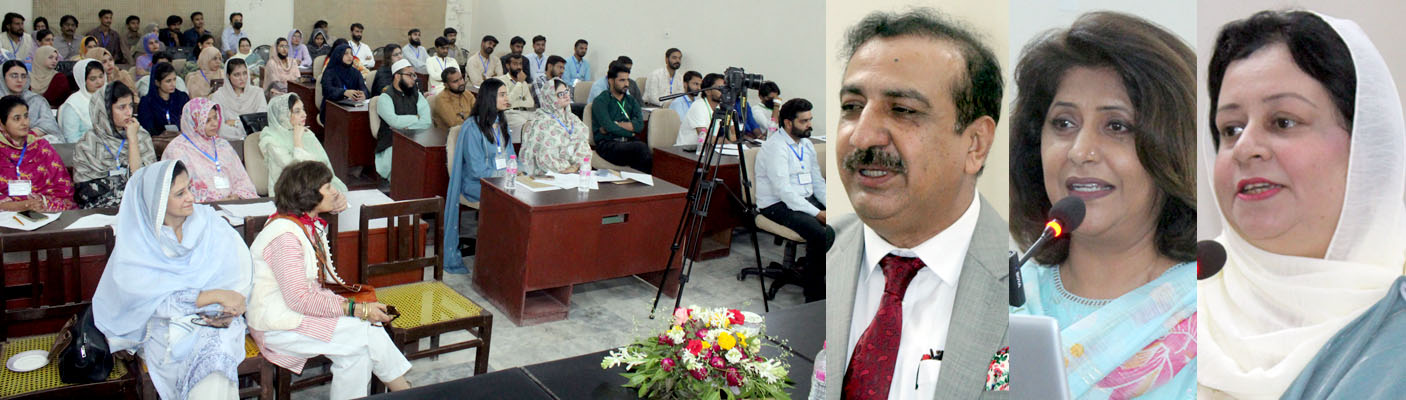
In a significant move to enhance the quality of higher education and teaching, the University of Sindh inaugurated a comprehensive "Capacity Development Programme for Faculty Members", which will continue till October 24, 2025.
Organized by Dr. M.A Institute of Chemistry, the 3-day faculty development training workshop on teaching methodology is aimed at focusing on Teaching Assistants.
The inauguration ceremony was presided over by the Vice-Chancellor Prof. Dr. Fateh Marri. The workshop, dubbed "Phase-I," signifies the university's commitment to investing in its educators, recognizing them as the cornerstone of academic excellence.
Speaking on the initiative, Vice-Chancellor Prof. Dr. Fateh Marri stated that Sindh University students deserved nothing less than a dynamic and impactful learning experience.
“This training program is a foundational step in our broader vision to modernize pedagogical approaches at the University of Sindh,” he said.
“By empowering our Teaching Assistants, the future professors and researchers with advanced teaching skills, we are not just improving lectures; we are investing in the intellectual capital of Sindh and Pakistan,” the VC maintained.
The program has been convened by the Director of the Dr. M.A. Kazi Institute of Chemistry Prof. Dr. Arfana Begum Mallah, who emphasized the practical goals of the workshop.
“Effective teaching is both an art and a science. This workshop is meticulously designed to move beyond traditional rote learning methods,” Dr. Mallah explained.
“We aim to equip our Teaching Assistants with innovative tools, student engagement strategies and modern assessment techniques that foster critical thinking. When our faculty grows, our students thrive and that is the ultimate objective,” she said.
The first phase of the Capacity Development Programme will focus on building a strong foundation in contemporary teaching methodologies for the junior faculty. The initiative is expected to create a ripple effect, improving the overall academic environment and student success rates.
Announcements
.JPG)
.JPG)
.JPG)